
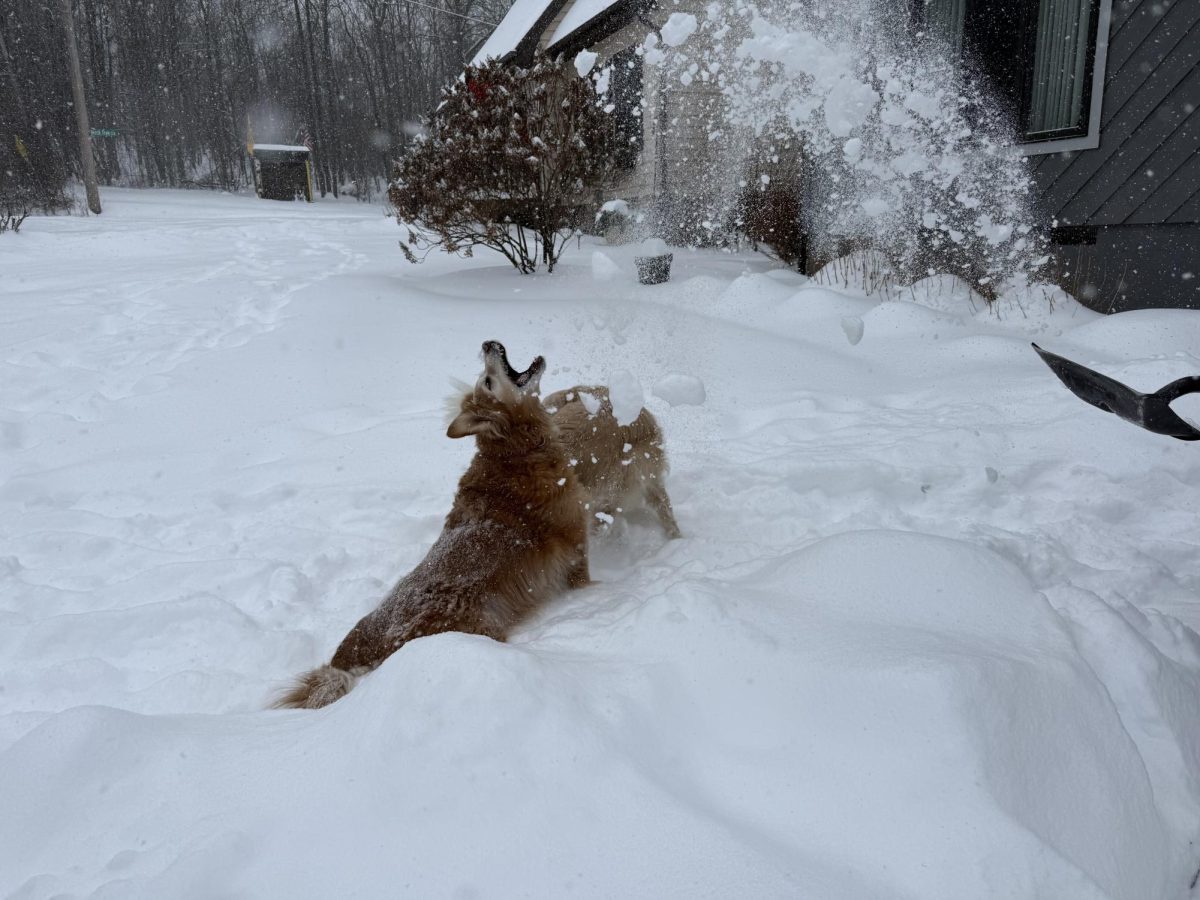
With temperatures dropping and snow being extremely prominent at this time of year, students are always wondering what days will be flexible instruction days.
As of the writing of this article, there have been two hour delays on Dec. 1 2025, Dec. 14 2025, Jan. 20, 22, 28, 29 and 30, two Flexible Instruction Days on Jan. 26 and 27 and one asynchronous day on Dec. 23 2025. These delays and cancellations happened because of either heavy snow or extremely cold temperatures. Temperatures below 0°F are considered too cold for students. Low temperatures usually aren’t much of a problem for students who either have a ride to school or take the bus, but for the students who have to walk to school or students who have their bus arrive later than usual, it can be a much bigger issue.
Even in temperatures above 0°F, wind chill can cause it to feel like it is below zero. When some students have to walk long distances to get to school, this can be very unfair to them and presents a risk of hypothermia and frostbite, and that’s not even considering the icy conditions that can cause falls and other accidents.
What does the school lose from having FID days? They are still counted as full days of school and don’t take away any days that students would have off during break. There’s also a limit of five flexible instruction days that the school can get per year. However, if it ever does reach that point, the school is allowed to ask for more flexible instruction days. Even if there are no more FID days, the school can still have asynchronous learning days. However, the school would have to make those days up by taking away days from things like spring and summer break.
Even if it gets to a point where days would have to be made up, it would still be worth the loss. The health and safety of students is more important than one day of learning. It’s better for students to have to make up a couple days rather than risking any injuries from falls or frostbite.