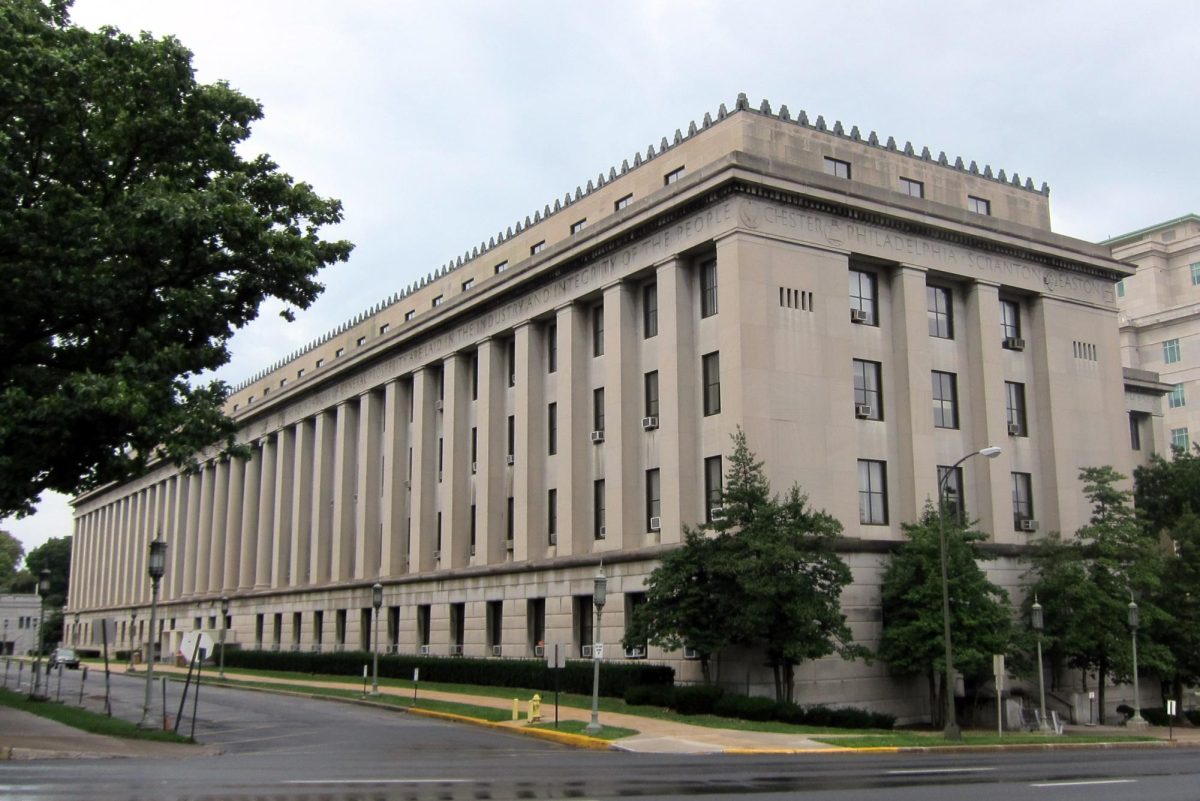
On Feb. 3, Governor Josh Shapiro gave his 2026 – 27 Budget Address in Harrisburg Pa.
“I am just as motivated today as the day I started,” Governor Shapiro said. “I am humbled by the history that walks these halls where we are blessed to work.”
Within his address, the governor addressed many topics, including education. In 2025, the state budget did not pass until Nov. 12, which caused concern for many within education.
“From an educator’s perspective, the more money the state has, the more money we get,” AP Government teacher John Blough said.
“We’ve increased funding for education by nearly 30 percent,” Shapiro said. “We’ve expanded vo-tech, CTE and apprenticeships to open new pathways of opportunity. School attendance is up, graduation rates are up and more young people are finding their passion in the trades.”
World History teacher John Saboe believes the public school needs should be taken into consideration.
“[I hope] they allocate money for the education that our students deserve in the state of Pennsylvania, and work to reach a compromise in order to get the funds for public education,” Saboe said.
According to Shapiro, students are benefiting in more ways than just receiving an education while in school.
“3,000 more students are enrolled in career and technical education courses,” Shapiro said. “The number of new teacher certifications is increasing, after more than a decade of decline. Regular attendance and graduation rates are up, and Consumer Affairs now ranks us as one of the top states for quality public education in the entire country.”
According to the governor, his current budget proposal “builds on that progress.”
“It again increases our investment in basic education — and special education,” Shapiro said. “At a time when there are people attacking those with special needs, we are investing in them, respecting them, and believing in their potential.”
Governor Shapiro’s budget calls for $565 million more to “schools that need it most” through a new adequacy program. Furthermore, they are building upon cyber reform charter systems to bring public school savings up to $250 million.
Social studies teacher Jacob Wilt believes that the “budget fight” will not be as “stressful” as last year’s.
“We’ve got to a point where we were not in danger of this, but there was a potential where we were going to have to take out loans because we were going to run out of money from the state to pay payroll and all these really essential services,” Wilt said. “We were like months and months delayed on our budget from last year. I am hoping that does not happen again.”
With a budget of over $53 billion, Wilt hopes the education initiatives have been “worked out” and are “more efficient than it was last year.”